

The foundational years of a child’s life are a period of rapid growth and development. Early childhood education provides a structured environment where young children can learn, play, and develop essential skills that will support them throughout their academic and personal lives. It focuses on holistic development, addressing cognitive, social, emotional, and physical growth in a nurturing setting.
In a global city like Bangkok, exposure to diverse cultures and languages from a young age is a distinct advantage. Enrolling a child in an international preschool Bangkok can provide an enriching environment that fosters global awareness and communication skills. These schools often bring together children from various backgrounds, creating a dynamic learning community where social and emotional development flourishes alongside academic learning.
The benefits of quality early education extend far beyond basic knowledge acquisition. It is about building confidence, curiosity, and a love for learning. Through play-based activities and guided instruction, children learn to solve problems, collaborate with peers, and express themselves effectively. These formative experiences help shape resilient and adaptable individuals, prepared for the challenges of primary school and beyond.
Fostering Social and Emotional Growth
One of the most important aspects of early childhood education is the development of social skills. In a preschool setting, children interact with their peers and teachers, learning how to share, take turns, and resolve conflicts. They begin to understand different perspectives and develop empathy. These interactions are fundamental for building healthy relationships and learning to function as part of a community.
Emotional development is also a central focus. Educators help children to recognize and manage their feelings in a supportive way. By providing a safe space to express emotions, teachers can guide children in developing self-regulation and coping strategies. This emotional intelligence is a cornerstone of mental well-being and is essential for navigating social situations with confidence.
Building a Foundation for Lifelong Learning
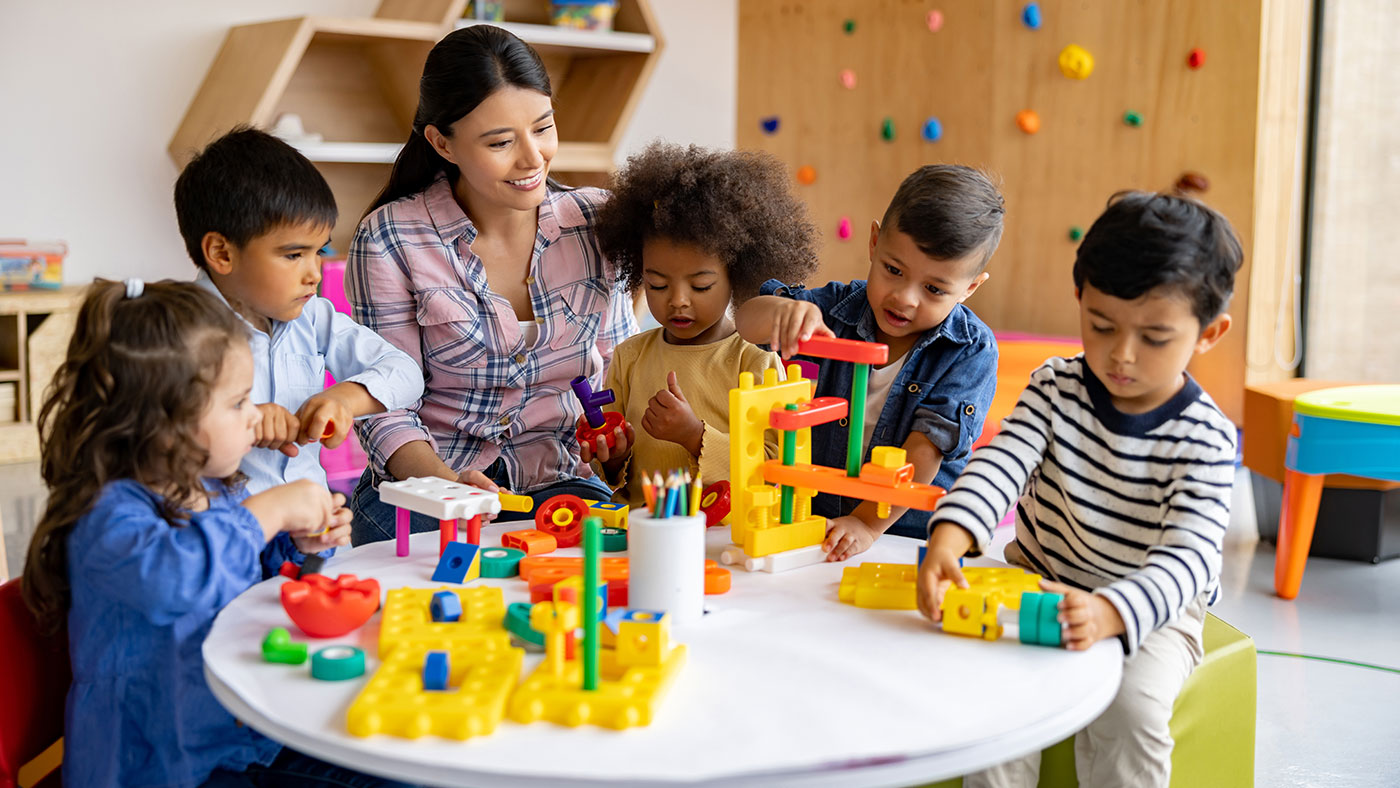
Early childhood programs are designed to stimulate cognitive development through exploration and discovery. Activities like storytelling, building with blocks, and engaging in simple science experiments encourage thinking and problem-solving skills. Children are introduced to foundational concepts in literacy and numeracy in an engaging, age-appropriate manner, making learning feel like play.
An international school environment can further broaden this foundation. Exposure to multiple languages and cultural traditions at a young age can improve cognitive flexibility and adaptability. It prepares children to be open-minded and curious about the world around them. This early start cultivates a positive attitude toward learning that can last a lifetime, setting the stage for future academic success and personal growth.

Comments are closed.